All roundupsMidwest · week ending September 21, 2026
The week in rare birds
Coastal vagrants dominated this week's Midwest activity, with phalaropes and gulls pushing inland across multiple states. Shorebirds and seabirds were notably abundant, signaling strong oceanic displacement events.
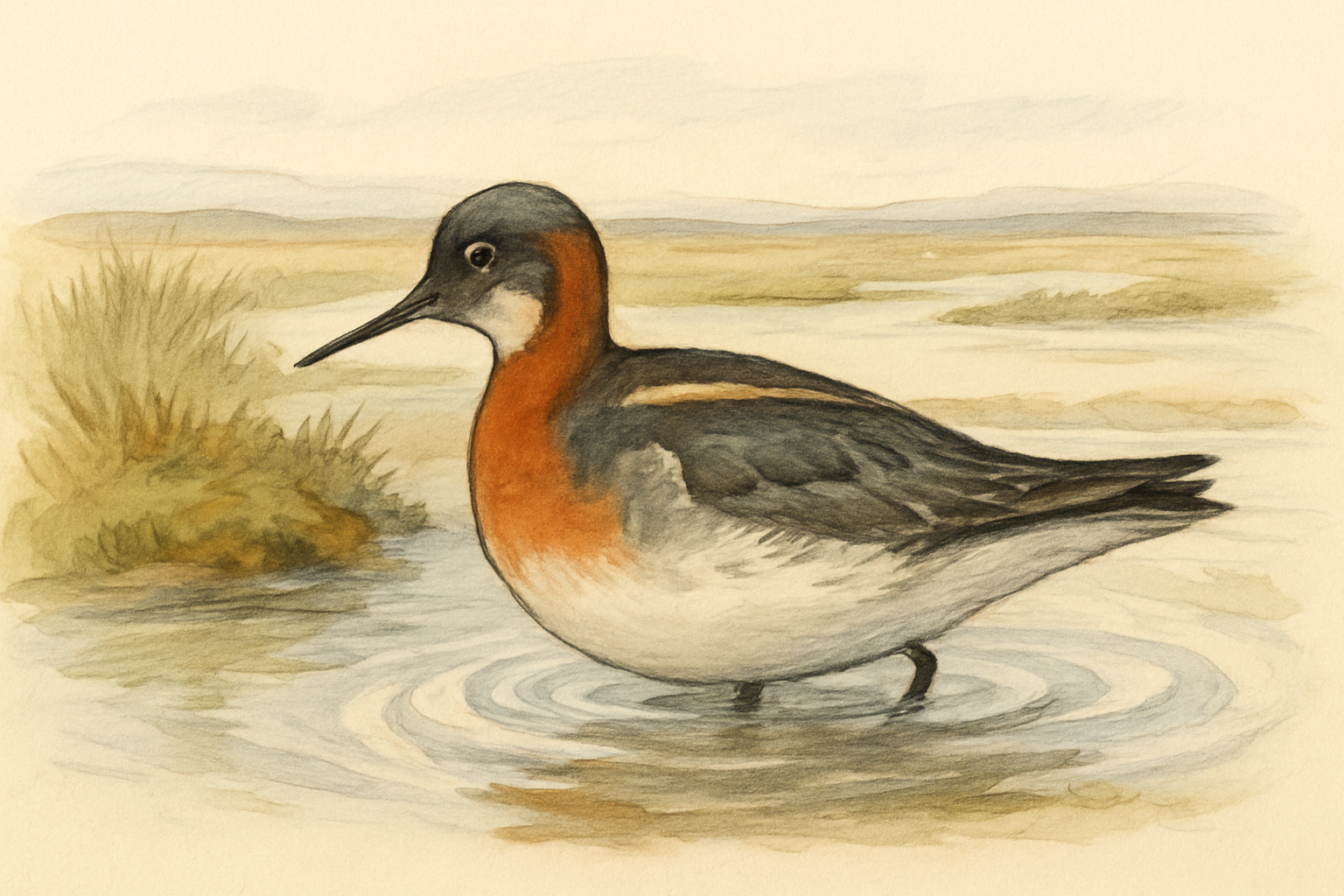
A Red Phalarope appeared at Fargo Sewage Settling Ponds on September 20, representing one of twenty state records. This pelagic shorebird remains exceptionally rare inland, marking a significant displacement event.
Fargo--Sewage Settling Ponds · September 20, 2026 · 1 bird
Flockline species illustration · Not the reported individual.Notable run
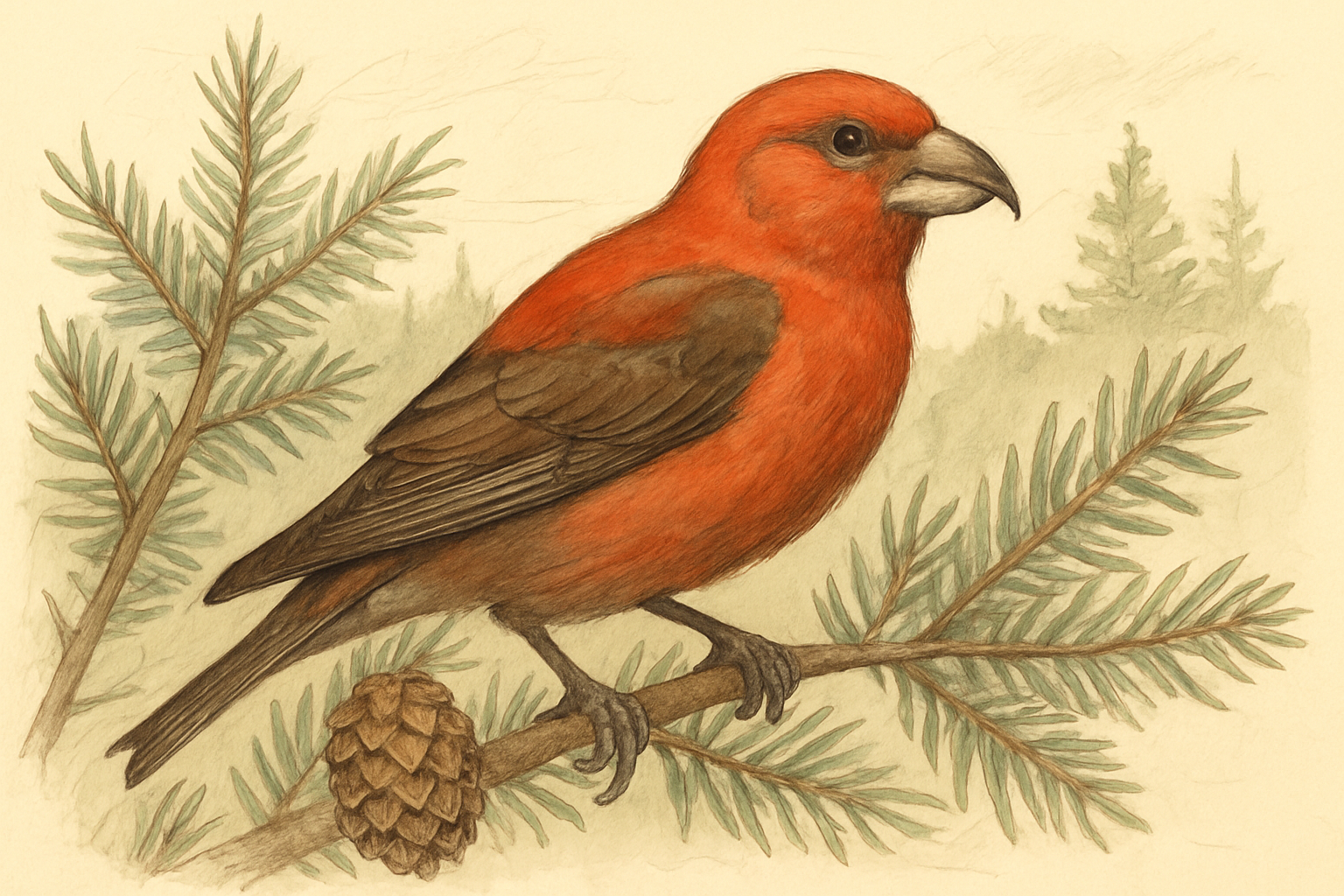
Red Crossbill Invasion in Kansas
Up to 32 Red Crossbills were counted at a Wichita residence on September 20, part of nineteen reports across five Midwest states. This represents a notable irruptive movement of the nomadic finch species.
3232 E Murdock St, Wichita US-KS (37.6976,-97.2965) · September 20, 2026 · 10 birds
A Brown Pelican was documented at Eagle Creek Park Coffer Dam on September 20, one of twenty Indiana records. This subtropical species continues its rare but recurring appearances at northern inland reservoirs.
Eagle Creek Park--Coffer Dam · September 20, 2026 · 1 bird
Flockline species illustration · Not the reported individual.Rare report
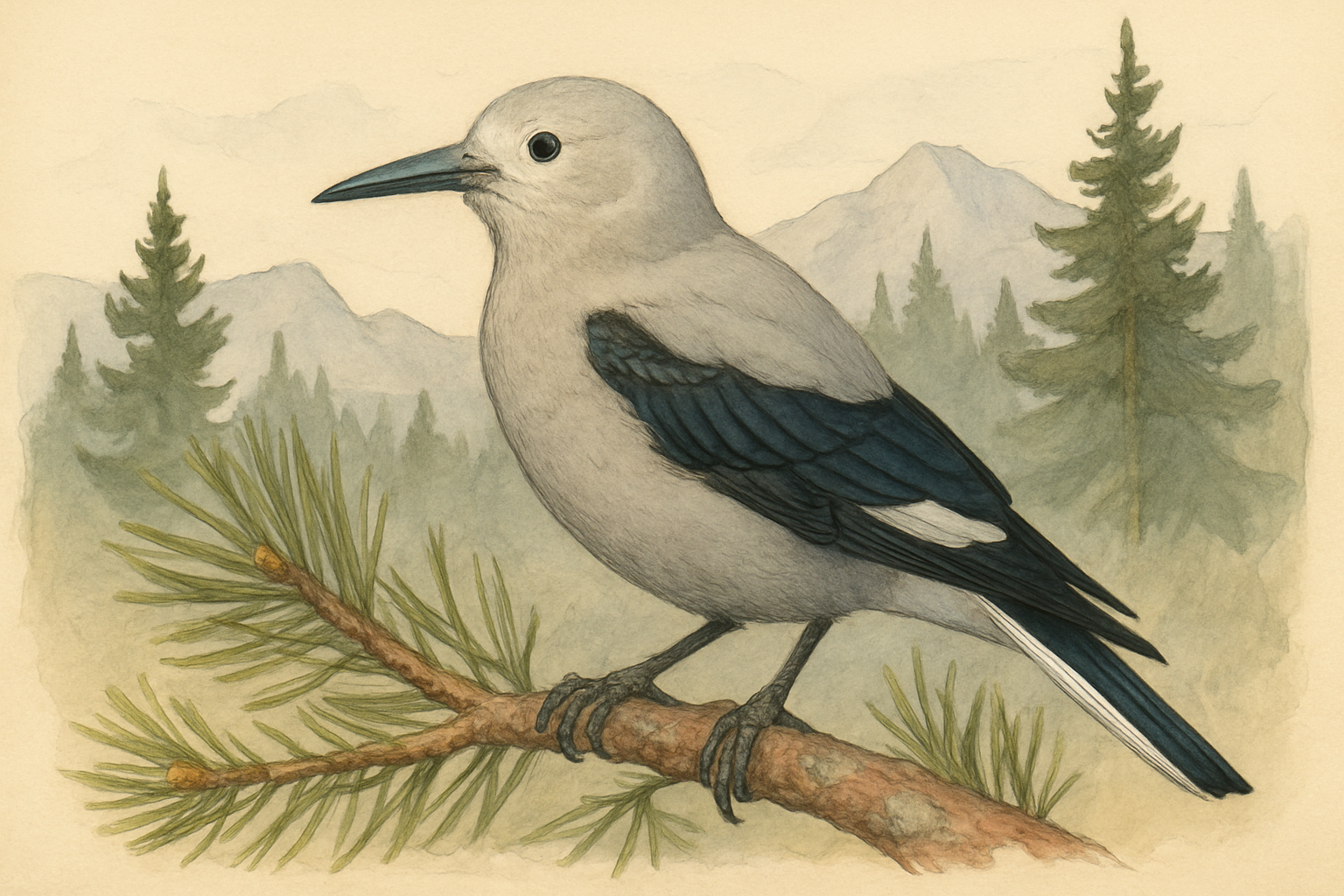
Clark's Nutcracker Near Minneapolis
A Clark's Nutcracker was found at a Buffalo, Minnesota residence on September 19, part of twenty-one state reports. This western mountain species periodically wanders east during resource-driven movements.
Flockline species illustration · Not the reported individual.Across the region
Red-necked Phalarope at Indiana Wetland
Up to three Red-necked Phalaropes were observed at JI Case Wetland, Indiana on September 20 among forty-seven region reports. This small shorebird showed wide distribution across three Midwest states during fall migration.
An Olive-sided Flycatcher appeared at Indian Creek Park, Michigan on September 21, part of eleven reports across three states. This western breeder remains locally scarce during eastern migration periods.